
Understanding Red Light Therapy Benefits for Athletes
Red light therapy supports athletic performance and recovery by accelerating tissue repair and reducing inflammation. Using targeted red and near-infrared wavelengths, the light penetrates the skin to stimulate cellular energy production and optimize biological function at the source.
This increase in circulation and cellular activity enhances the body’s natural healing response, helping to reduce inflammation, ease muscle soreness, and promote faster recovery from sports-related stress or injury.
For athletes who consistently push their limits, the physical demands of training can lead to muscle fatigue, tightness, and inflammation. Incorporating red light therapy into your recovery routine can help speed up the healing process, improve muscle regeneration, minimize discomfort, and keep you performing at your highest level.
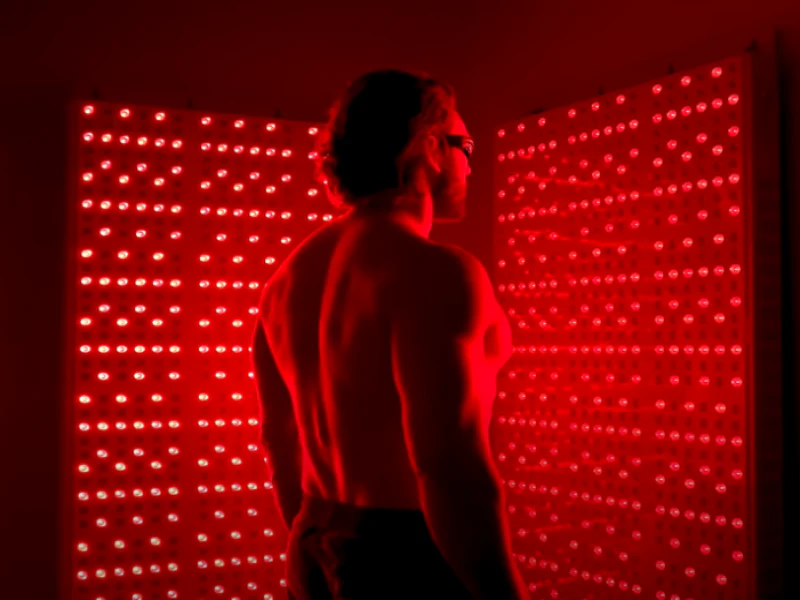
Speeding Up Muscle Recovery
One of the most powerful benefits of red light therapy is its ability to accelerate muscle recovery. Intense training and competition create microscopic tears within muscle fibers — a necessary part of building strength — but this process often brings soreness, stiffness, and inflammation that can delay your return to peak performance.
Red and near-infrared light work by stimulating the mitochondria, the energy centers of your cells. By enhancing cellular energy production, the body is better equipped to repair damaged tissue efficiently and effectively.
The result is faster regeneration, reduced muscle soreness, and improved recovery timelines. Whether you’re bouncing back from a high-intensity lift, speed session, or long-distance run, red light therapy helps support quicker recovery so you can train harder, more consistently, and with less downtime.
Reducing Inflammation and Pain
Another major advantage of red light therapy is its powerful anti-inflammatory effect.
Persistent inflammation is at the root of many sports-related setbacks, including tendinitis, joint discomfort, and ligament strains. When inflammation lingers, it interferes with the body’s natural healing process, prolonging pain and limiting performance.
Red and near-infrared light target affected tissue by enhancing circulation and supporting the body’s anti-inflammatory response at a cellular level. This helps decrease swelling, calm irritation, and reduce discomfort without adding additional stress to the body.
Whether you’re rehabbing a sprained ankle, managing knee pain, or recovering from intense muscle soreness, red light therapy supports inflammation control so you can heal efficiently and return to movement with confidence.
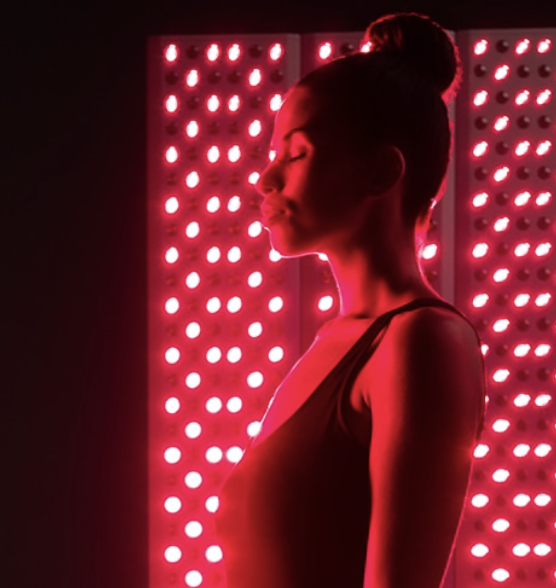
Enhancing Joint Health
Another powerful way red light therapy supports athletes is through enhanced joint health. Repetitive impact, heavy training loads, and the natural wear that comes with competition can all contribute to joint stiffness and discomfort over time.
By stimulating cellular repair processes, red and near-infrared light help support cartilage health and improve the elasticity of tendons and ligaments. This can reduce stiffness, ease discomfort, and promote smoother, more efficient movement.
Red light therapy also encourages collagen production — a key component in maintaining strong, resilient joints. Improved collagen synthesis supports joint structure, lubrication, and overall function.
For athletes competing in high-impact sports like running, basketball, or football, maintaining joint integrity is essential. Incorporating red light therapy into a recovery routine can help preserve mobility, enhance durability, and support long-term performance.
Improving Circulation and Oxygenation
Optimal circulation is a cornerstone of recovery and peak performance. When blood flow is compromised, healing slows, muscles tighten, and the delivery of oxygen and key nutrients becomes less efficient.
One of the most impactful benefits of red light therapy is its ability to enhance circulation at a cellular level. By stimulating vascular activity and supporting angiogenesis (the formation of new blood vessels), red and near-infrared light help improve blood flow throughout targeted tissues.
Greater circulation means more oxygen and nutrients reach the muscles when they’re needed most. This supports faster repair, improved tissue regeneration, and more efficient recovery between training sessions.
For athletes pushing their limits, enhanced oxygenation and nutrient delivery can translate to better performance output, stronger adaptations to training, and reduced downtime between workouts.
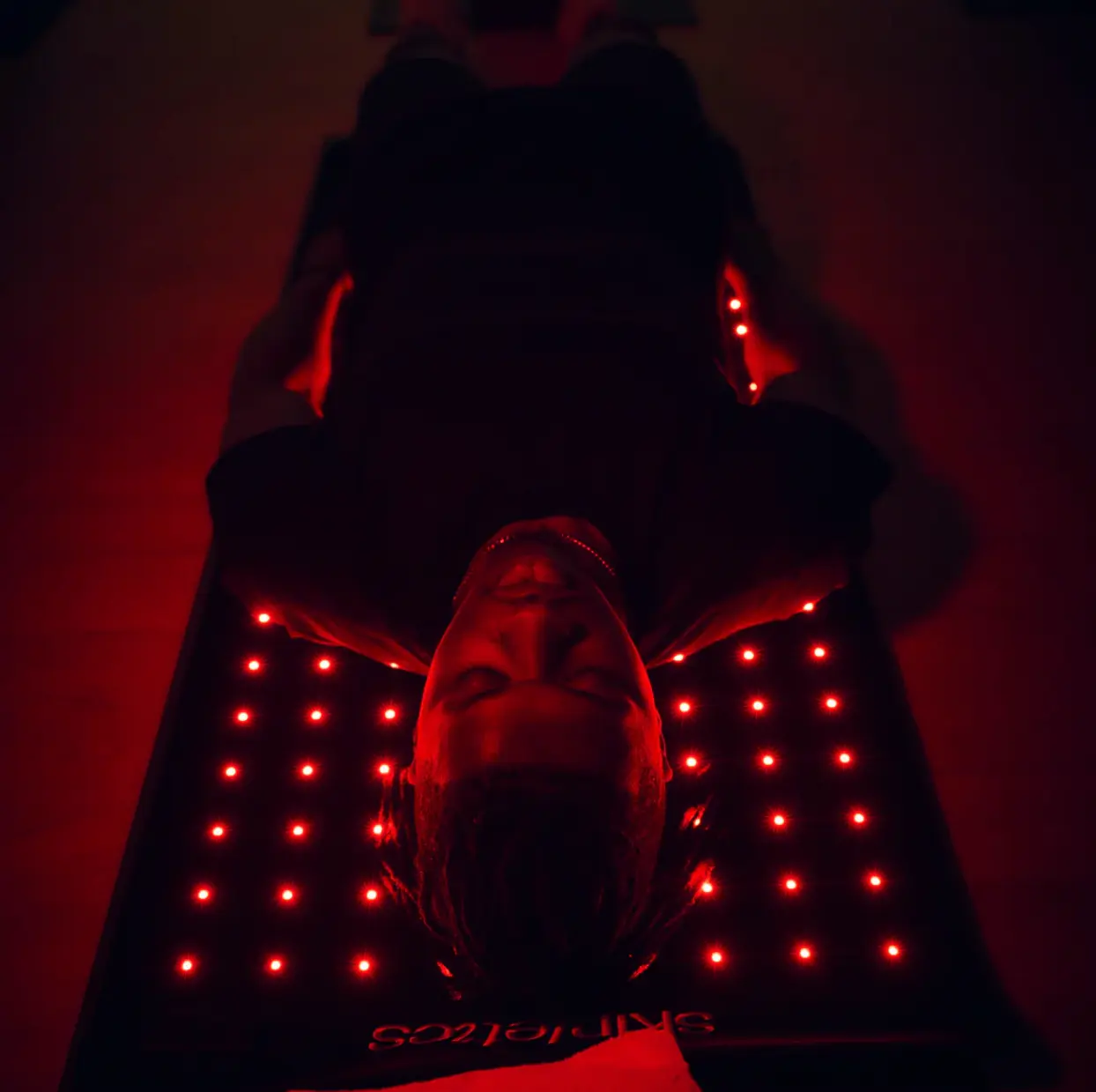
Supporting Injury Prevention
Red light therapy isn’t just a recovery tool — it’s a proactive strategy for injury prevention.
When used consistently, red and near-infrared light support tissue resilience before breakdown occurs. This is especially valuable for athletes training at high intensity or returning from a previous injury.
By promoting cellular regeneration, improving muscle elasticity, and supporting joint mobility, red light therapy helps fortify the body against excessive strain. Stronger, more adaptable tissues are better equipped to handle the demands of training and competition.
Reducing injury risk means fewer interruptions, more consistent performance, and long-term durability — allowing athletes to train hard, recover smart, and stay in the game.